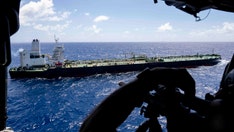




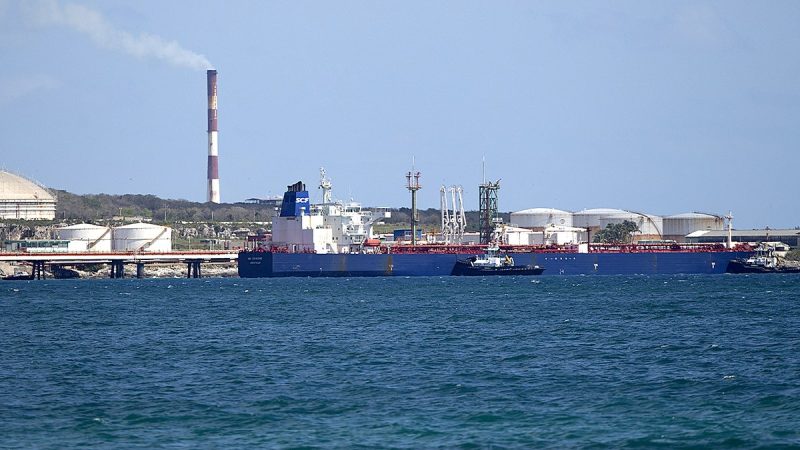
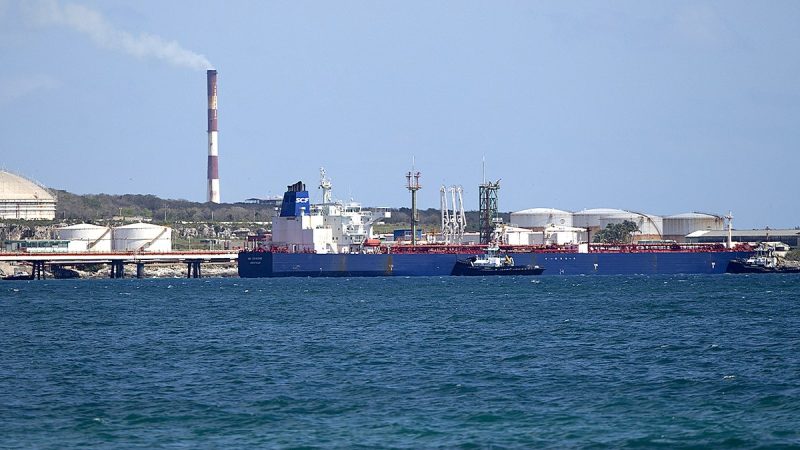
A tanker allegedly carrying Russian fuel en route to Cuba is using deceptive ‘dark fleet’ tactics, including signal manipulation and offshore ship-to-ship transfers, according to maritime intelligence firm Windward.
According to MarineTraffic, the vessel, called Sea Horse, was located Tuesday on the U.S. East Coast with its signal, noted as ‘roaming.’
The move comes as the U.S. pressured Cuba’s fuel supplies, disrupting deliveries and targeting third-party countries that provide oil, following new sanctions and the detention of Venezuelan leader Nicolás Maduro.
On Jan. 29, President Donald Trump also signed an executive order declaring a national emergency with respect to Cuba and authorizing tariffs on imports from countries that sell or supply oil there.
Windward reported that the Russian oil tanker initially broadcast Havana as its destination on Feb. 7, and was ‘Hong Kong-flagged’ before quietly changing tack. Windward said the tanker had an expected arrival in Cuba in early March.
The vessel altered its Automatic Identification System (AIS) signal to show it would arrive in the ‘Caribbean Sea’ within two weeks — a vague designation the firm said is often used to hide a ship’s final port of call.
The destination was later switched again to Gibraltar for orders, even after the tanker had already transited the strait, a move Windward described as inconsistent with standard commercial routing.
Windward’s analysis also suggests the vessel loaded its cargo through a ship-to-ship (STS) transfer conducted offshore near Cyprus.
During the loading process, the tanker’s AIS signal was temporarily switched off — ‘a tactic of deceptive maritime operations designed to avoid regulatory scrutiny,’ Windward said.
Windward data also shows the vessel’s draft increased on Feb. 8, several days after leaving an area used for floating storage and transshipment of Russian middle distillate cargoes originating from Black Sea ports.
The tanker had loitered in that zone for roughly two weeks before departing, Windward said.
‘Ship-to-ship transfers outside territorial waters, where port-state oversight is limited, have become a common practice in oil trade to circumvent sanctions and regulatory scrutiny,’ Windward noted.
The company added that AIS manipulation, offshore transfers and ambiguous destination reporting are now standard features of shadow-fleet activity sustaining Russian oil exports despite any U.S. sanctions.
Cuba is also facing an energy crisis that has worsened in recent weeks after oil shipments from Venezuela, its primary supplier, were halted following U.S. action in early January.
Mexico, another major supplier, also suspended oil shipments, according to The Associated Press.
Related Article